
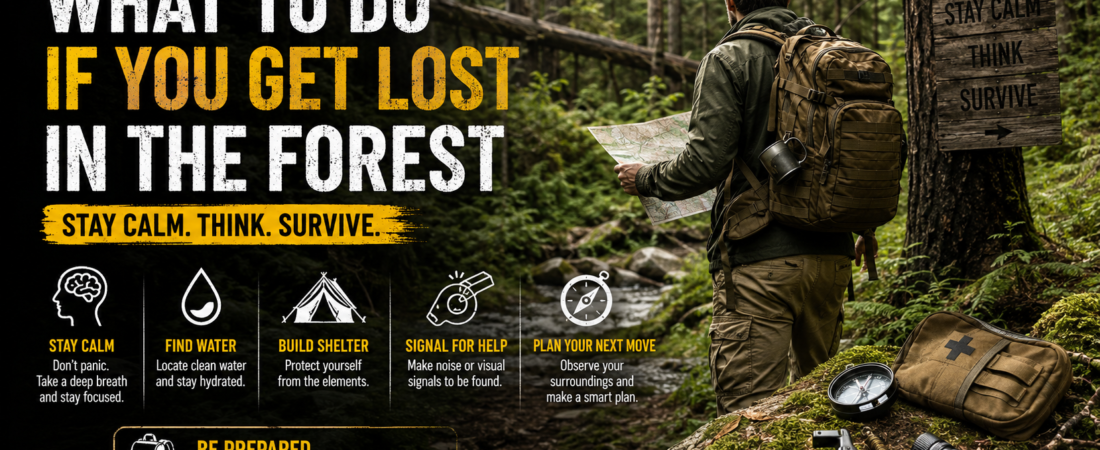
What to Do If You Get Lost in the Forest
Getting lost in the forest can happen to anyone, from first-time hikers to experienced outdoor enthusiasts. The most important thing you can do is stay calm and think clearly. Rushed decisions can make rescue more difficult and put your safety at greater risk.
In this guide, you’ll learn the key survival techniques that can increase your chances of making it home safely.
Stay Calm and Follow the STOP Rule
The first step is to control your panic. Take a deep breath and avoid wandering aimlessly.
A simple method used by survival experts is the STOP rule:
- S – Stop: Stay where you are and avoid walking without a plan.
- T – Think: Assess your situation and check your supplies, including water, food, your phone, and survival gear.
- O – Observe: Look for trails, streams, footprints, landmarks, or sounds that may help you navigate.
- P – Plan: Make a careful decision based on what you have observed.
This simple strategy helps prevent common mistakes that can make the situation worse.
Find Water Safely
Staying hydrated is a top priority. If you find a water source, choose flowing water from streams or rivers whenever possible.
Before drinking:
- Boil the water if you can.
- Use a portable water filter.
- Purify it with water purification tablets if available.
Avoid drinking stagnant water, as it may contain harmful bacteria and parasites.
Tip: A portable water filter takes up very little space in your backpack and can be one of the most valuable survival tools you carry.
Build a Shelter
Even on warm days, temperatures can drop significantly after sunset. A simple shelter helps retain body heat and protects you from rain, wind, and insects.
You can build one using:
- Strong branches
- Large leaves
- Fallen logs
- A tarp or emergency shelter if you have one
Choose a dry location away from areas that could flood.
Make Yourself Easy to Find
If search teams may be looking for you, stay in a safe location and make your presence visible.
Effective signaling methods include:
- Building a safe signal fire.
- Blowing a survival whistle.
- Creating a large “SOS” using rocks or branches.
- Hanging brightly colored clothing where it can be seen.
- Using a signal mirror to reflect sunlight.
These signals greatly improve your chances of being located quickly.
Avoid Common Survival Mistakes
Many people make their situation worse by acting impulsively. Avoid these common mistakes:
- Walking without a clear direction.
- Eating unknown plants or mushrooms.
- Wasting all your energy in the first few hours.
- Drinking untreated water.
- Panicking.
Staying calm is just as important as having the right equipment.
Pack a Survival Kit
Being prepared can make all the difference. A basic survival kit should include:
- LED flashlight
- Multi-tool knife
- Portable water filter
- Emergency blanket
- Survival whistle
- Compass
- Paracord
- First aid kit
- Lighter or ferro rod
These lightweight items take up little space but can become lifesavers in an emergency.
Final Thoughts
Knowing what to do if you get lost in the forest can dramatically improve your chances of surviving until help arrives. Staying calm, finding safe drinking water, building a shelter, and signaling for rescue are the most important steps you can take.
If you enjoy hiking, camping, or any outdoor adventure, investing in a complete survival kit is a smart decision. Essential gear like a compass, portable water filter, flashlight, and first aid kit can provide the confidence and security you need when the unexpected happens.
Preparation is your greatest survival tool. The better equipped you are today, the better your chances of making it home safely tomorrow.
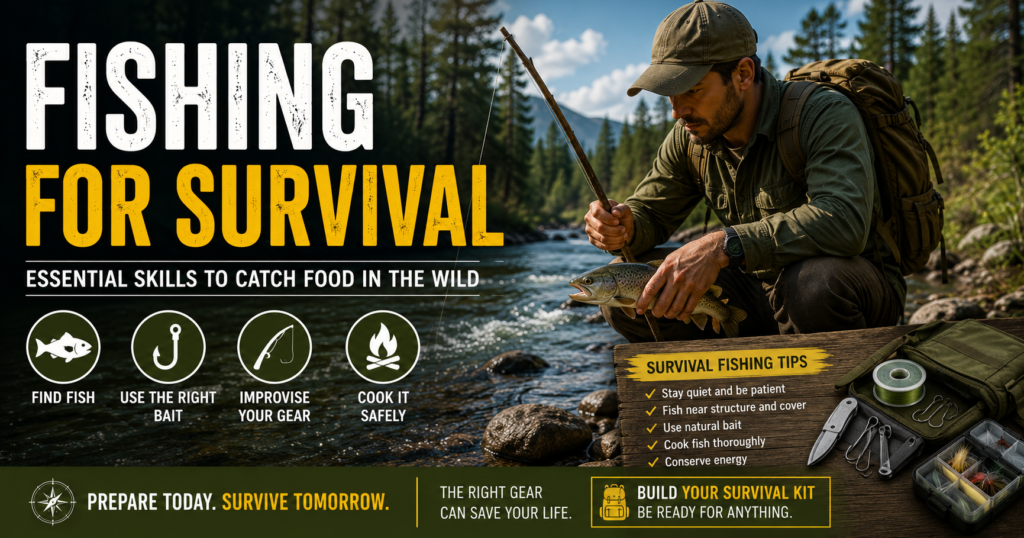
In a survival situation, fishing is one of the most effective ways to secure a steady food source. Compared to hunting, fishing usually requires less effort while providing high-quality protein
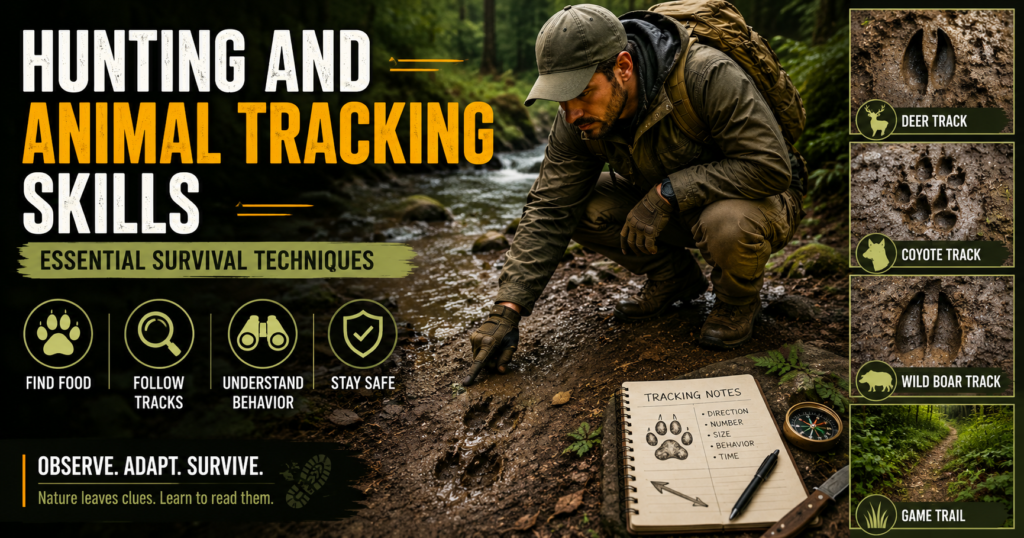
In a survival situation, knowing how to identify tracks and understand animal behavior can make all the difference. Hunting and animal tracking skills not only help you find food but
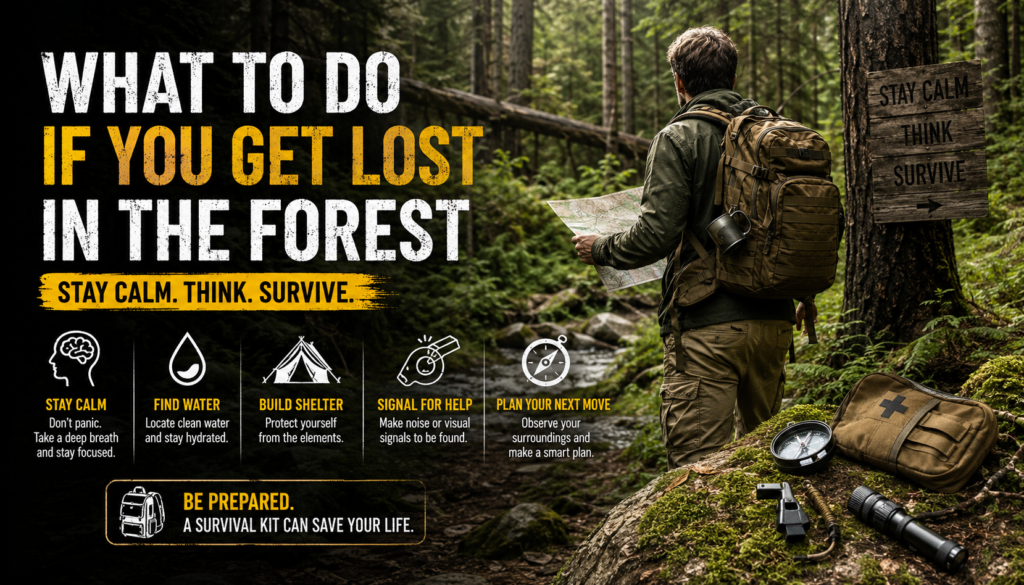
What to Do If You Get Lost in the Forest Getting lost in the forest can happen to anyone, from first-time hikers to experienced outdoor enthusiasts. The most important thing
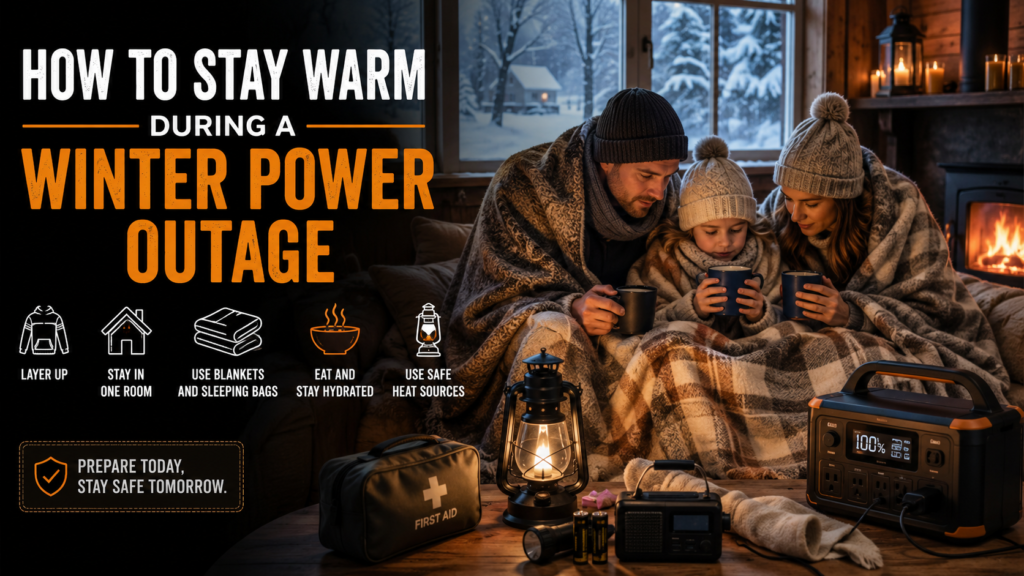
Winter storms can knock out electricity for hours—or even days. Without heating, your home can quickly become uncomfortable and, in some cases, dangerous. Knowing how to stay warm during a
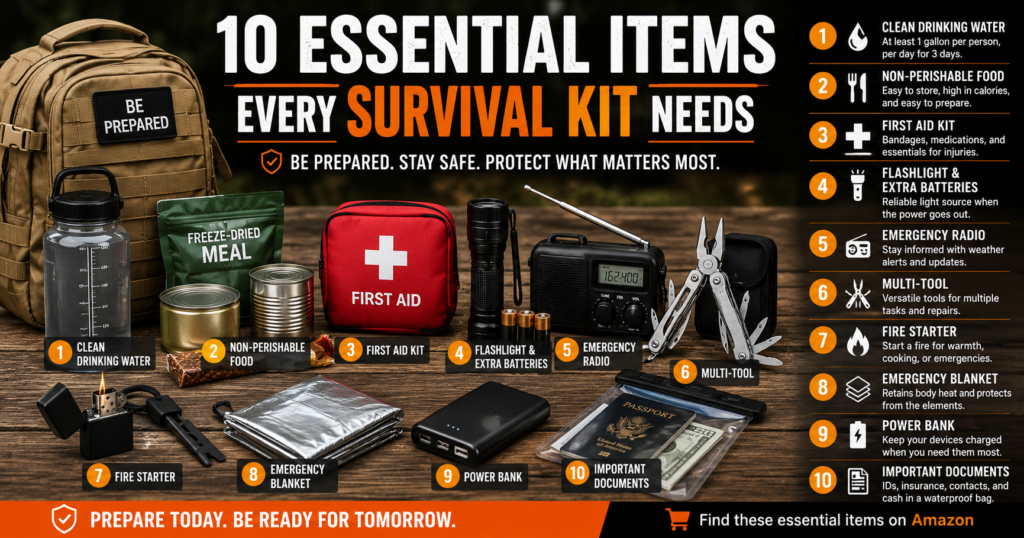
No one expects an emergency to happen. But when it does, being prepared can make a stressful situation much easier to handle. The good news? You don’t need expensive gear

- Removes Bacteria & Parasites: The Microfiltration Membrane Removes 99.999999% of Waterborne Bacteria (Including E. Coli …
- Removes Microplastics: Removes the Smallest Microplastics Found in the Environment (Down to 1 Micron), and Reduces Turbi…
- Rigorous Testing: All Claims Are Verified with Laboratories Using Standard Testing Protocols Set by the US EPA, NSF, AST…

- BRASS MATERIAL: L4820CTJ Whistle is made of brass, which makes it very durable and looks luxurious.
- LOUD CRISP SOUND: L4820CTJ Whistle with natural cork pea, the sound is loud and clear. Easily up to 128+dB.
- TI-GOLD PLATED: L4820CTJ Whistle is plated with Ti-gold, which makes it smooth and shiny.

- RAMBLER: The perfect companion for long walks in the country, the Victorinox Rambler packs 10 handy functions into one p…
- ESSENTIAL TOOLS: With the Victorinox Rambler, you’re always prepared. This small pocket knife packs a mighty punch, with…
- SIMPLY MAGNETIC: Tackle a range of everyday tasks with ease with the magnetic Phillips screwdriver.

- Survival fire starter kit: The fire starter kit contains 1pcs 5/16″ thick ferro rod with striker and paracord wrist lany…
- Ferro rod: The ferrocerium rod is made of high density fire steel and can produce sparks over 5000 F degrees when struck…
- Wick hemp cord: The wick hemp cord is 13.8″ long and has a burn time of up to 20 minutes. To make it easier to be ignite…