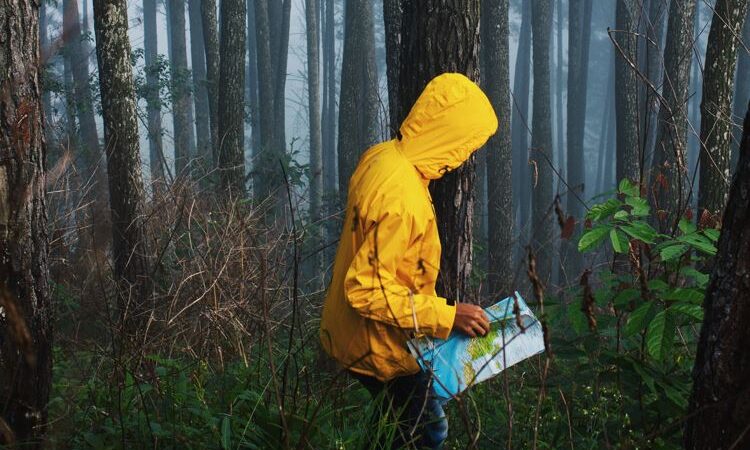
Getting lost in the wilderness can be stressful, but panic often makes the situation worse. Knowing how to use natural signs for navigation and managing your energy wisely can greatly improve your chances of finding the right direction and staying safe.
Stay Calm First
The moment you realize you may be lost, stop and take a deep breath. Military survival training teaches that one of the most important rules is to stay calm. Fear and panic can lead to poor decisions, unnecessary movement, and exhaustion.
Instead of rushing forward, take a few minutes to observe your surroundings. Look for landmarks, think about where you came from, and make a simple plan before moving.
A calm mind notices details that a panicked mind often misses.
Use the Sun to Find Direction
The sun is one of the oldest navigation tools.
The sun rises in the east and sets in the west. In the morning, it will be in the eastern part of the sky. During the afternoon, it moves toward the west.
This information allows you to estimate the four main directions and understand your general orientation.
You can also use shadows. Place a straight stick in the ground and mark the tip of its shadow. Wait about 15 to 20 minutes and mark the new position. The first mark points roughly west, and the second points roughly east.
Use the Stars at Night
When darkness falls, the stars can guide you.
In the Northern Hemisphere, Polaris, also called the North Star, remains almost directly above north.
In the Southern Hemisphere, people often use the Southern Cross constellation. By extending an imaginary line through the long axis of the constellation, you can estimate the direction of south.
These methods have been used by explorers and travelers for centuries.
Conserve Your Energy
Military survival principles emphasize that navigation is not a race. Moving without a plan can quickly lead to exhaustion and dehydration.
Walk at a steady pace and avoid running or constantly changing directions. Stop occasionally to reassess your position and confirm your observations.
If possible:
- Drink water regularly.
- Rest when needed.
- Avoid unnecessary climbing.
- Use landmarks to keep a straight course.
Energy is one of your most valuable resources in a survival situation.
Think Before You Move
Natural navigation is most effective when combined with patience and clear thinking. The sun and stars can help you determine direction, but your mindset is equally important.
By staying calm, observing carefully, and conserving your energy, you improve your ability to make good decisions and increase your chances of reaching safety. In survival situations, knowledge, patience, and self-control are often your most powerful tools.
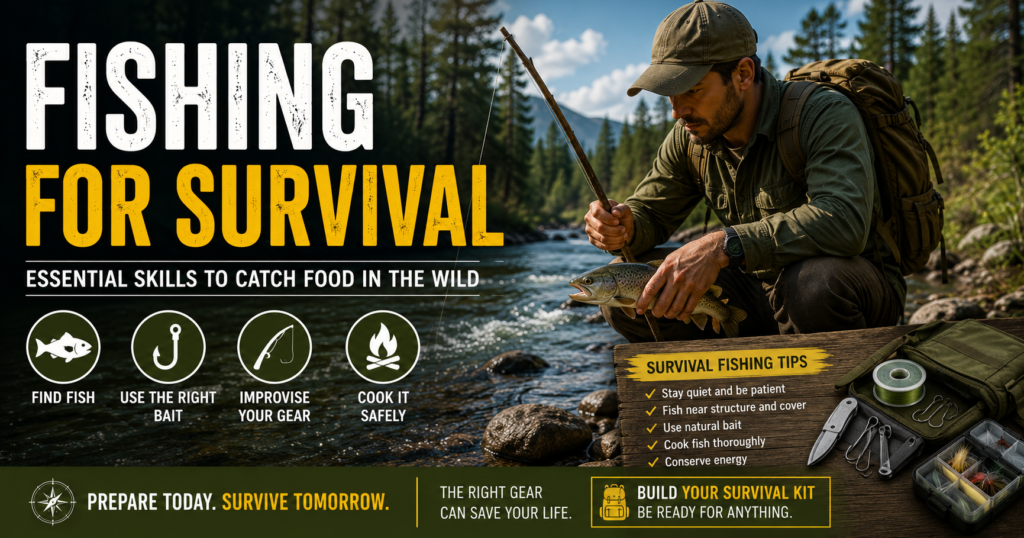
In a survival situation, fishing is one of the most effective ways to secure a steady food source. Compared to hunting, fishing usually requires less effort while providing high-quality protein
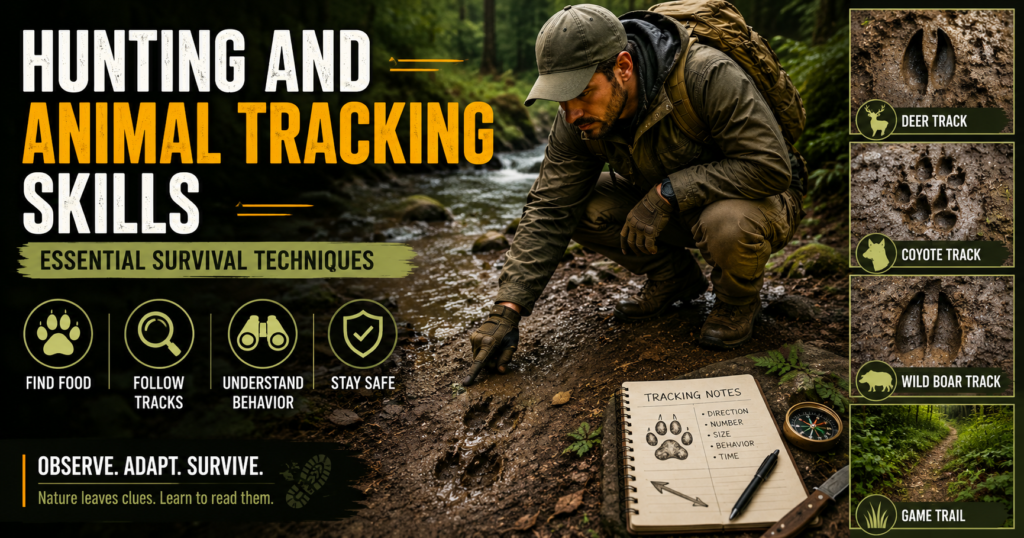
In a survival situation, knowing how to identify tracks and understand animal behavior can make all the difference. Hunting and animal tracking skills not only help you find food but
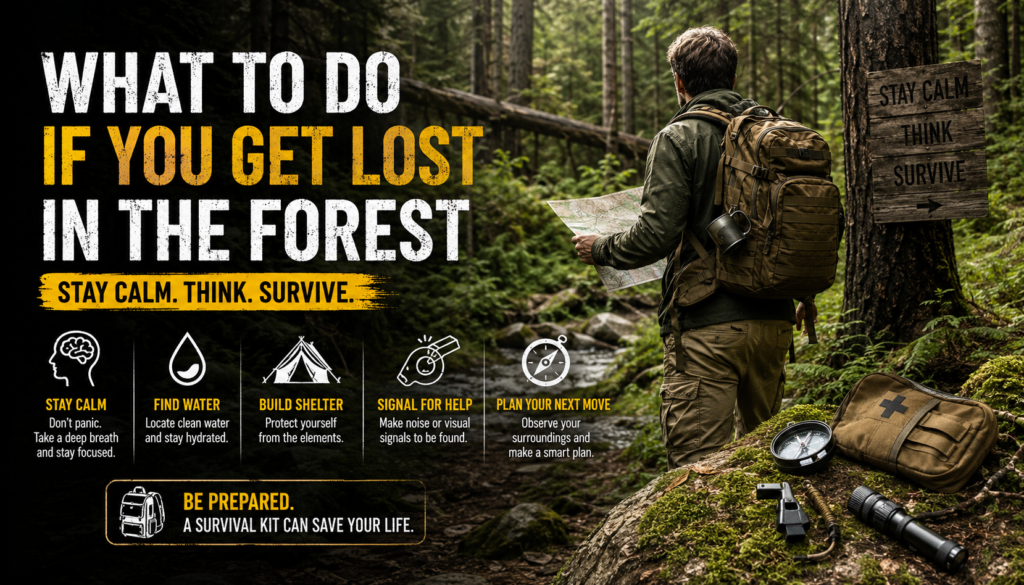
What to Do If You Get Lost in the Forest Getting lost in the forest can happen to anyone, from first-time hikers to experienced outdoor enthusiasts. The most important thing