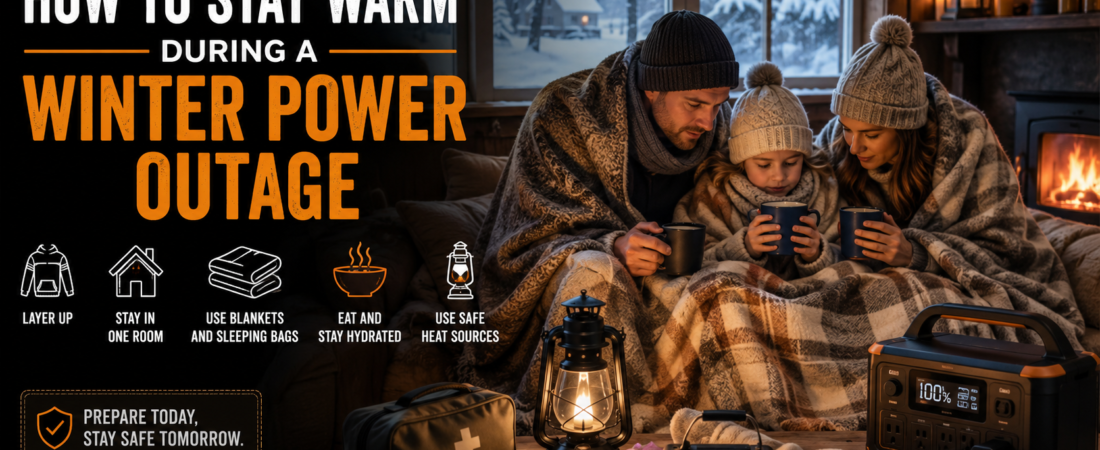
Winter storms can knock out electricity for hours—or even days. Without heating, your home can quickly become uncomfortable and, in some cases, dangerous. Knowing how to stay warm during a winter power outage can help protect you and your family until the power returns.
The good news is that a few simple preparations can make a huge difference.
Why Staying Warm Is So Important
When indoor temperatures drop too low, your body loses heat faster than it can produce it. This increases the risk of:
- Hypothermia
- Frostbite
- Reduced immune function
- Dangerous conditions for children, older adults, and pets
The goal is to keep your body heat inside while preventing your home from losing too much warmth.
Layer Your Clothing Properly
One thick jacket isn’t always the best solution. Instead, wear several layers.
A good combination includes:
- A moisture-wicking base layer
- An insulating middle layer (fleece or wool)
- A wind-resistant outer layer
Don’t forget:
- Warm socks
- Gloves
- A winter hat
- A scarf or neck gaiter
Tip: A large percentage of body heat can be lost through your head and hands when exposed to cold air.
Stay Together in One Room
Instead of trying to heat your entire home, choose one room as your “warm room.”
Close the doors and use:
- Blankets over windows
- Towels under doors
- Thick curtains to reduce drafts
The smaller the space, the easier it is to retain heat.
Use Blankets and Sleeping Bags
A quality sleeping bag designed for cold weather can keep you warm even without indoor heating.
Layer blankets underneath and over your body for better insulation.
Emergency thermal blankets (also called Mylar blankets) are lightweight, inexpensive, and excellent at reflecting body heat.
Having these items stored in your emergency kit is one of the smartest investments you can make.
Eat and Drink Regularly
Your body needs fuel to produce heat.
Choose foods like:
- Nuts
- Peanut butter
- Oatmeal
- Rice
- Canned soup
- Protein bars
Drink plenty of water, even if you don’t feel thirsty.
Avoid drinking alcohol because it can make your body lose heat faster.
Use Safe Heat Sources Only
If you own an emergency heater, always follow the manufacturer’s safety instructions.
Safe options may include:
- Indoor-rated propane heaters
- Wood stoves
- Fireplaces that are properly vented
Never Use These Indoors
Never operate inside your home:
- Charcoal grills
- Gas grills
- Camp stoves
- Outdoor generators
These devices can produce deadly carbon monoxide.
Every home should have a working carbon monoxide detector, especially during winter emergencies.
Keep Your Emergency Kit Ready
A winter emergency kit should include:
- Flashlights
- Extra batteries
- Warm blankets
- Sleeping bags
- Hand warmers
- Emergency food
- Bottled water
- First aid kit
- Portable power bank
- Battery-powered radio
Having everything prepared before a storm arrives reduces stress and keeps your family safer.
Protect Your Pets
Pets get cold too.
Keep them:
- Indoors
- Dry
- Away from drafts
- Wrapped in blankets if needed
Always make sure they have fresh water and enough food during extended outages.
Prepare Before Winter Arrives
The best emergency plan starts long before the first snowstorm.
Consider adding these supplies to your preparedness kit:
- Thermal blankets
- Cold-weather sleeping bags
- Rechargeable lanterns
- Portable power stations
- Indoor-safe emergency heaters
- Hand warmers
- Emergency food supplies
These products are widely available on Amazon and can provide peace of mind during severe winter weather.
Final Thoughts
A winter power outage doesn’t have to become a dangerous emergency. By dressing in layers, staying in one insulated room, using safe heating methods, and keeping an emergency kit ready, you can stay warm until electricity is restored.
Small preparations made today can make a life-saving difference tomorrow.
Before the next winter storm hits, take a few minutes to build or update your emergency kit. Having the right gear on hand can help keep your family safe, warm, and comfortable when it matters most.
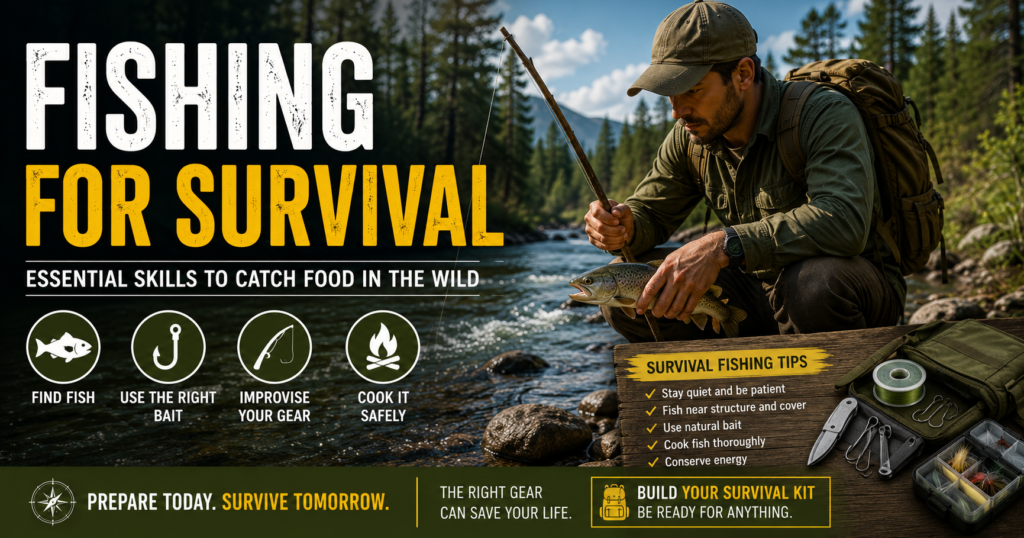
In a survival situation, fishing is one of the most effective ways to secure a steady food source. Compared to hunting, fishing usually requires less effort while providing high-quality protein
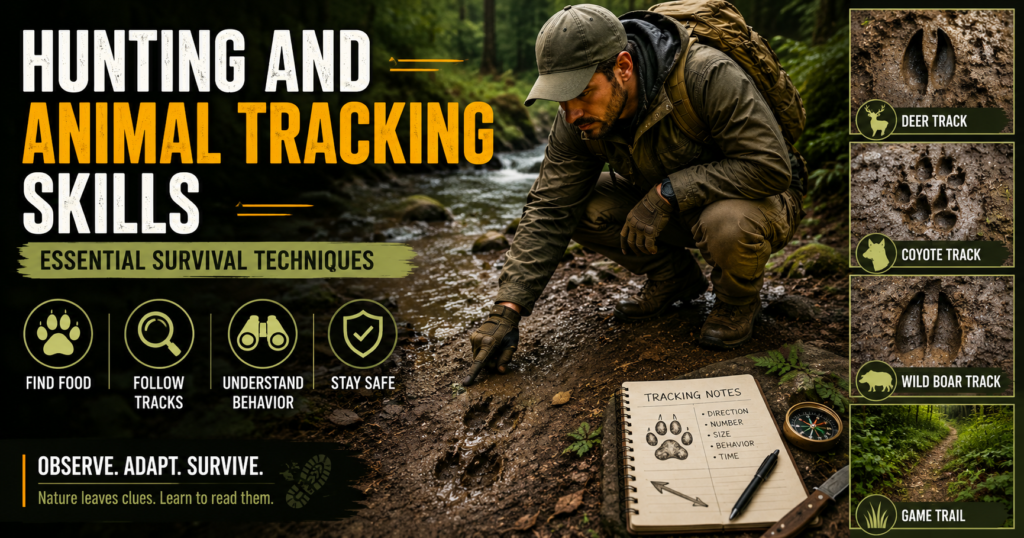
In a survival situation, knowing how to identify tracks and understand animal behavior can make all the difference. Hunting and animal tracking skills not only help you find food but
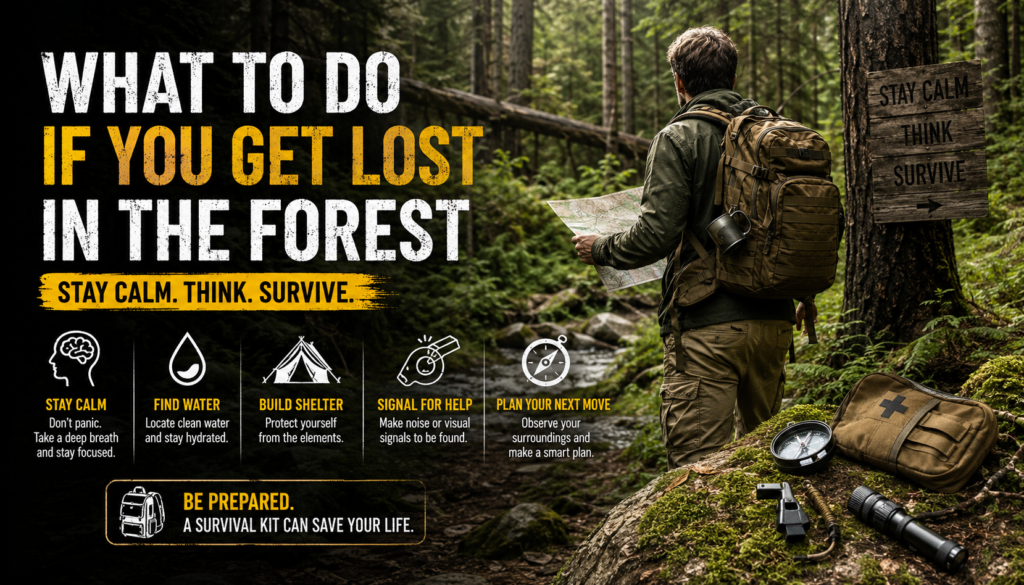
What to Do If You Get Lost in the Forest Getting lost in the forest can happen to anyone, from first-time hikers to experienced outdoor enthusiasts. The most important thing
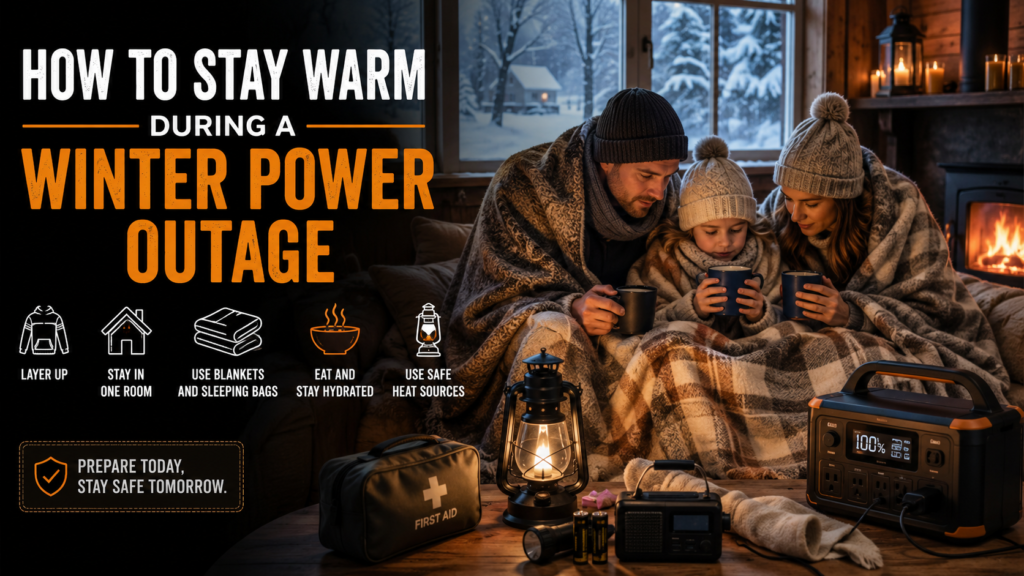
Winter storms can knock out electricity for hours—or even days. Without heating, your home can quickly become uncomfortable and, in some cases, dangerous. Knowing how to stay warm during a
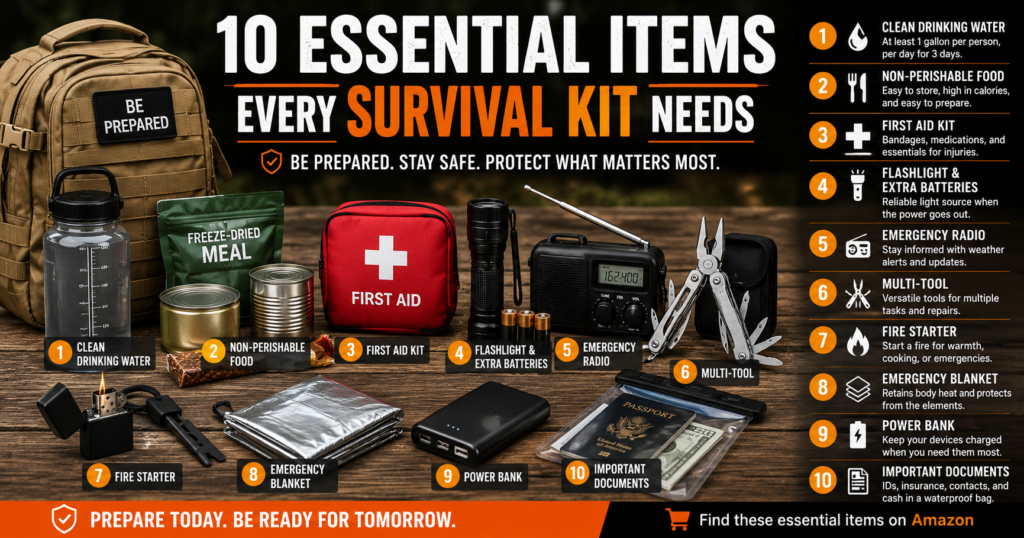
No one expects an emergency to happen. But when it does, being prepared can make a stressful situation much easier to handle. The good news? You don’t need expensive gear
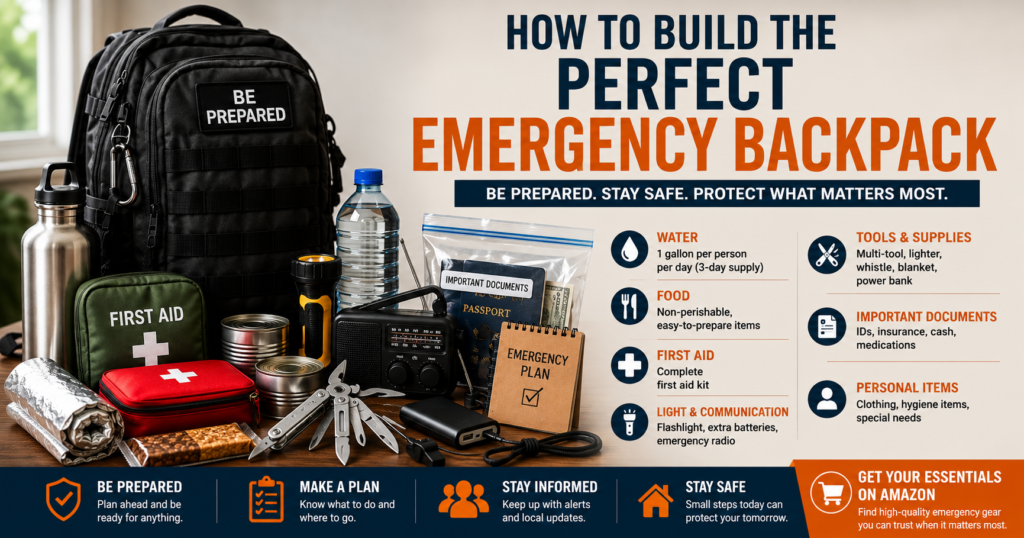
You Carry the weight of your Comfort! An emergency backpack can make all the difference during a natural disaster, extended power outage, or any unexpected crisis. Having everything organized and
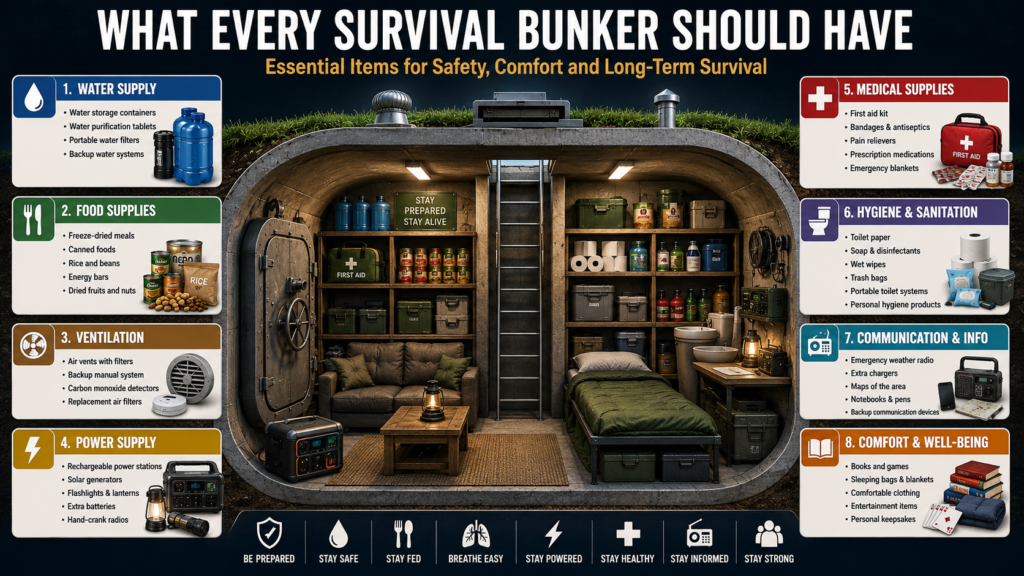
When people think about survival bunkers, they often imagine huge underground shelters from movies. In reality, a good bunker doesn’t need to be luxurious. It needs to be safe, practical,