
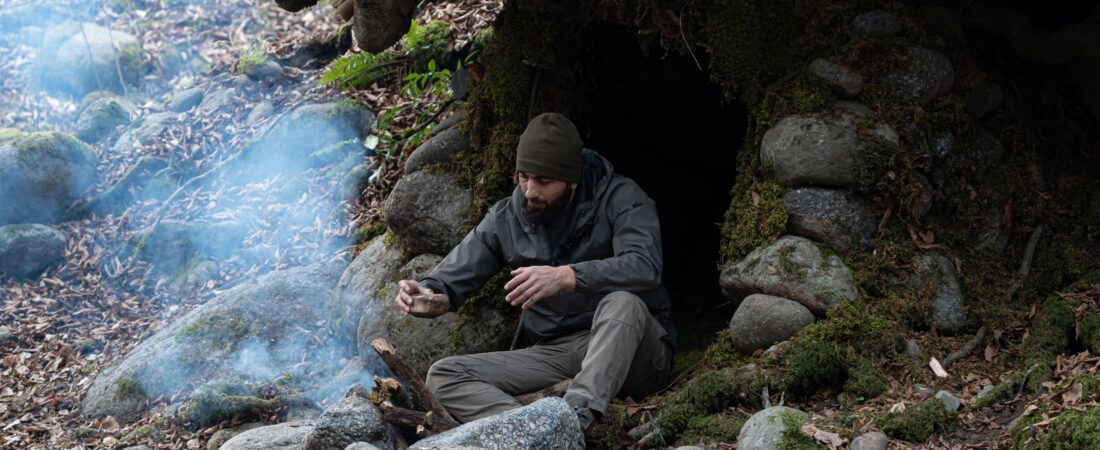
In a survival situation, many people think first about finding food or water. However, one of the most important elements for staying alive is having adequate shelter. Exposure to cold, rain, wind, or excessive heat can quickly lead to exhaustion, dehydration, and even hypothermia or heatstroke.
An improvised shelter provides protection from the elements and creates a safe place to rest and recover. Beyond its physical benefits, it also offers important psychological advantages. Having a protected space reduces anxiety, creates a sense of security, and helps you remain calm and focused when making decisions.
Why Is Shelter Essential?
A survival shelter can:
Protect you from rain, wind, and extreme temperatures;
Reduce body heat loss;
Provide protection from prolonged sun exposure;
Lower the risk of hypothermia and dehydration;
Create a safe area for rest and recovery;
Improve your emotional state by increasing feelings of comfort and security.
In many survival scenarios, building proper shelter can be more important than finding food during the first hours.
How to Build an Improvised Shelter
Step 1: Choose the Right Location
Look for ground that is elevated and relatively flat. Avoid areas prone to flooding, unstable slopes, or locations near dead trees and branches that could fall. If possible, choose a site protected from strong winds.
Step 2: Find a Support Structure
Use a fallen log, a large rock, or a sturdy branch positioned between two trees as the main support structure. This will serve as the foundation of your shelter.
Step 3: Build the Frame
Lean smaller branches against the main support at an angle, forming a structure similar to a small lean-to. The closer the branches are placed together, the better the protection.
Step 4: Add the Covering
Cover the frame with large leaves, grass, leafy branches, tree bark, or other natural materials available in the area. The thicker the covering, the better the insulation against wind and rain.
Step 5: Insulate the Ground
Never sleep directly on the ground. The earth can quickly draw heat away from your body. Create a layer of dry leaves, grass, moss, or small branches to form an insulating barrier between you and the ground.
Important Tips
Keep the shelter entrance facing away from the prevailing wind and, if it is safe to do so, build a small campfire at a suitable distance to provide additional warmth during the night.
Remember that in an emergency, the goal of a shelter is not comfort but survival. Even a simple structure made from natural materials can protect your body from harsh weather conditions and provide a safe place to rest, regain strength, and plan your next steps until rescue arrives or you are able to get out of danger.
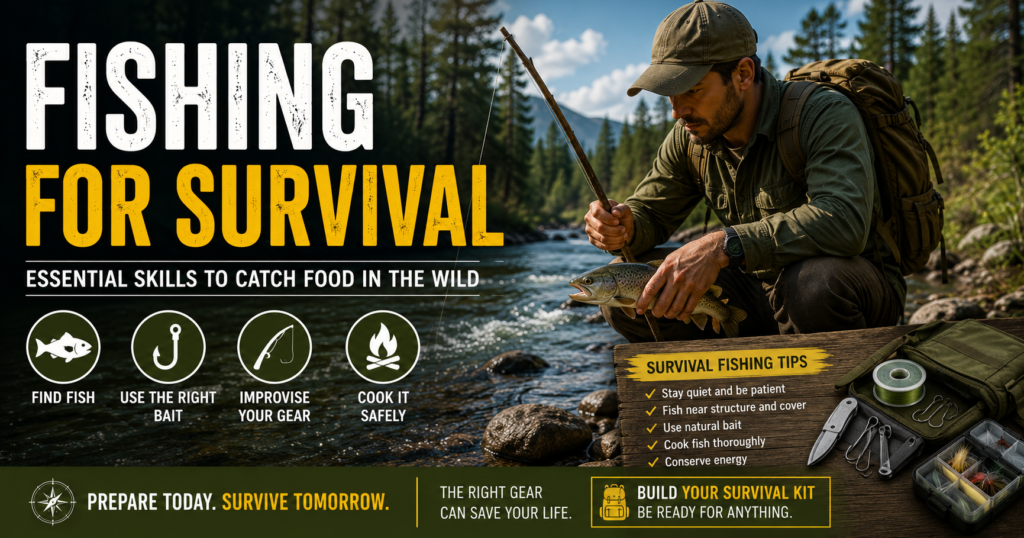
In a survival situation, fishing is one of the most effective ways to secure a steady food source. Compared to hunting, fishing usually requires less effort while providing high-quality protein
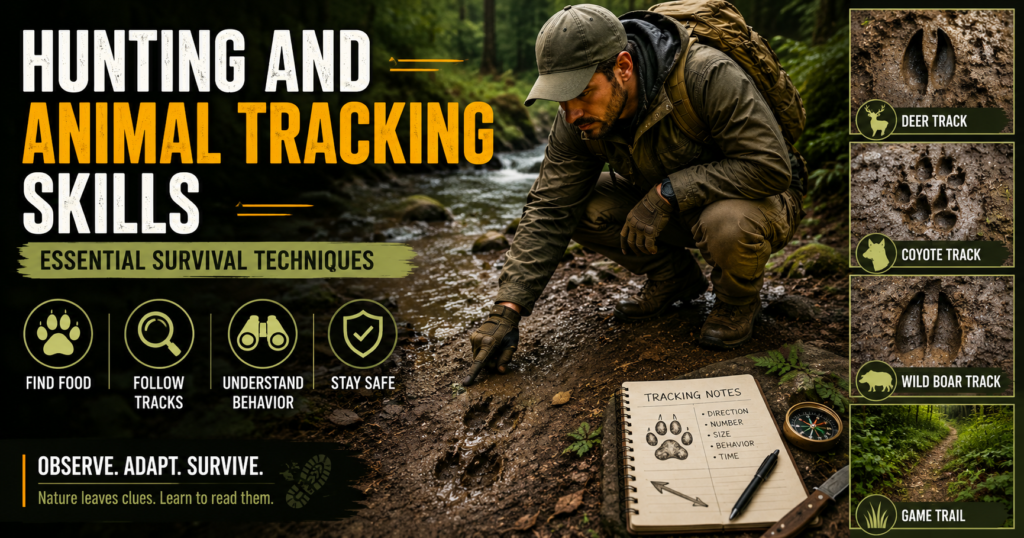
In a survival situation, knowing how to identify tracks and understand animal behavior can make all the difference. Hunting and animal tracking skills not only help you find food but
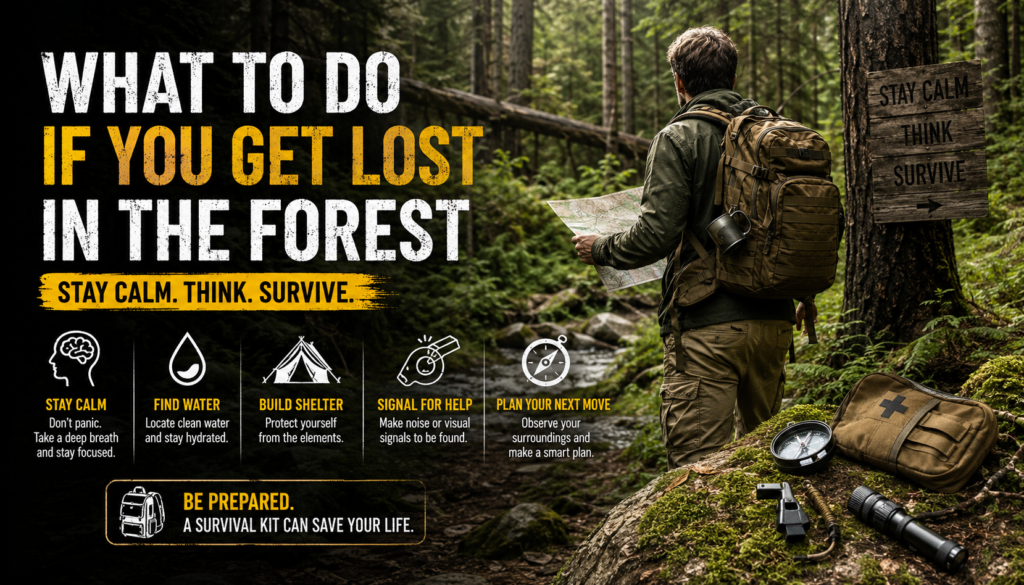
What to Do If You Get Lost in the Forest Getting lost in the forest can happen to anyone, from first-time hikers to experienced outdoor enthusiasts. The most important thing


