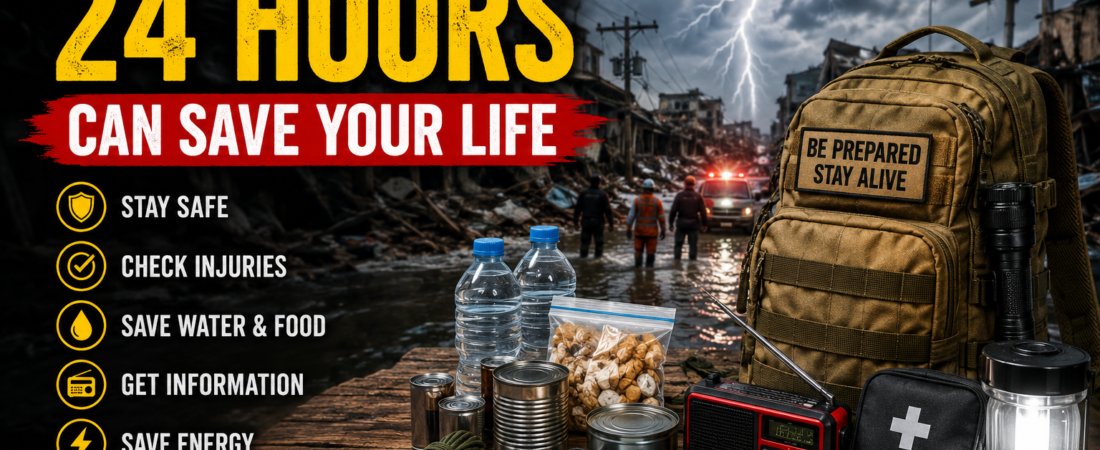
The first 24 hours after a disaster can make a big difference in staying safe. Whether it’s a flood, storm, earthquake, or another emergency, staying calm and acting wisely is very important.
1. Check Your Immediate Safety
The first thing you should do is look around and check for dangers.
Watch for:
- Downed power lines;
- Gas leaks;
- Damaged buildings;
- Flooded areas or places that could collapse.
If the area is not safe, move to a secure location as soon as possible.
2. Check for Injuries
Make sure you and the people around you are okay.
In an emergency:
- Stop any bleeding;
- Clean and cover small cuts;
- Help people with limited mobility;
- Keep children and older adults close to you.
Having a first aid kit can be extremely helpful during this time.
3. Protect Your Food and Water Supply
After a disaster, electricity and water services may be unavailable for hours or even days.
Focus on saving:
- Clean drinking water;
- Non-perishable food;
- Flashlights and batteries;
- Essential medications.
Avoid drinking water from unknown sources unless it has been properly treated.
4. Get Reliable Information
Use a battery-powered radio or your phone to follow updates from local authorities.
Reliable information can help you:
- Find safe areas;
- Learn evacuation routes;
- Receive warnings about new dangers;
- Know where to get help.
Do not share rumors or unverified information.
5. Save Energy and Supplies
The first few hours require careful planning. Use your resources wisely.
Simple steps include:
- Turn off unnecessary devices;
- Save your phone battery;
- Ration food and water;
- Use flashlights only when needed.
Thinking ahead will help you handle the situation more comfortably.
6. Prepare for the Night
Even if things seem under control, be ready to spend the night without electricity or immediate assistance.
Keep these items nearby if possible:
- Blankets;
- Flashlights;
- Water;
- Emergency food;
- First aid kit;
- Portable chargers.
Having these supplies organized can reduce stress and help you react quickly if conditions get worse.
Preparation Starts Before Disaster Strikes
No one knows when an emergency will happen, but everyone can be prepared. The first 24 hours after a disaster require calm thinking, organization, and smart decisions.
Building an emergency survival kit with essential supplies is one of the easiest ways to protect yourself and your family. Small steps taken today can make a huge difference when an emergency happens.
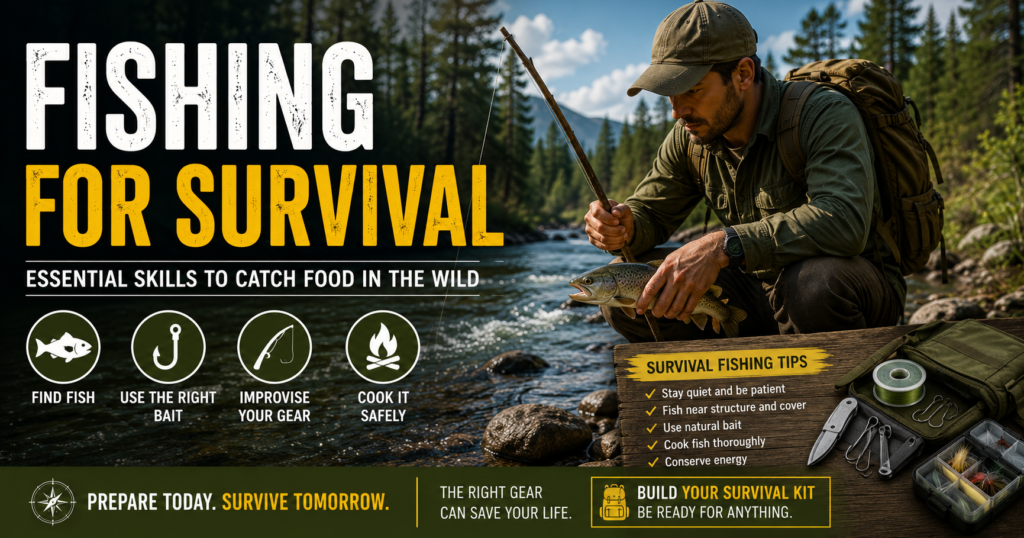
In a survival situation, fishing is one of the most effective ways to secure a steady food source. Compared to hunting, fishing usually requires less effort while providing high-quality protein
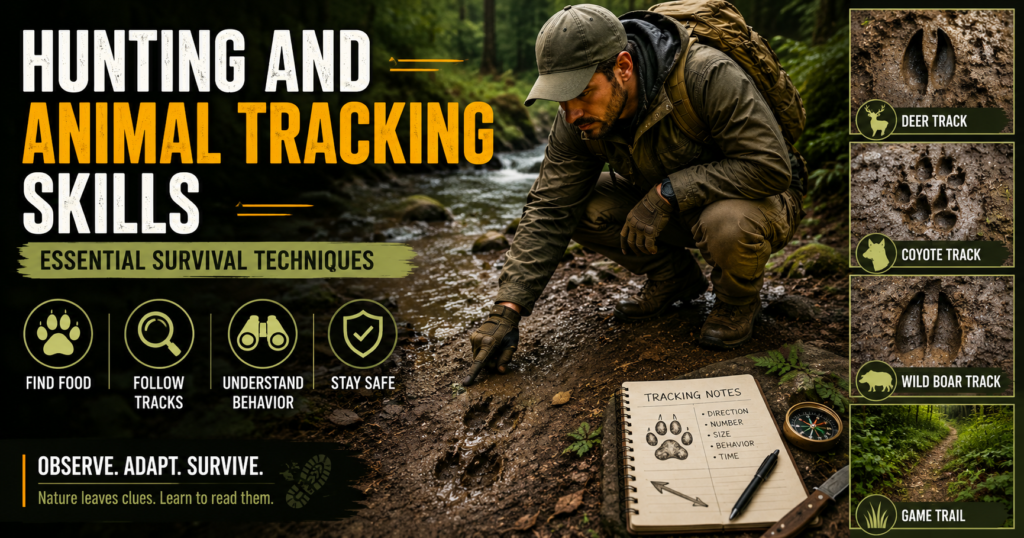
In a survival situation, knowing how to identify tracks and understand animal behavior can make all the difference. Hunting and animal tracking skills not only help you find food but
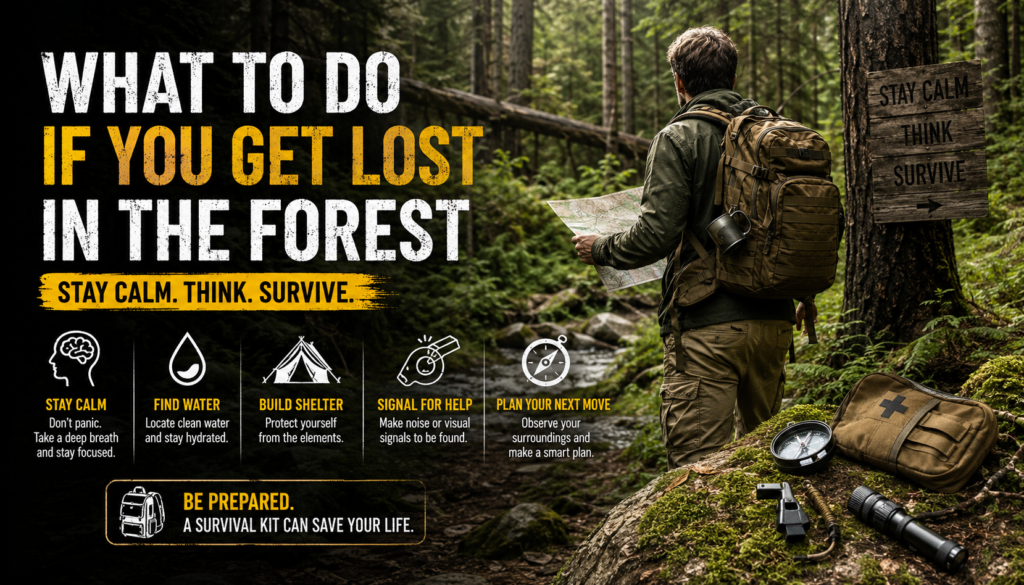
What to Do If You Get Lost in the Forest Getting lost in the forest can happen to anyone, from first-time hikers to experienced outdoor enthusiasts. The most important thing
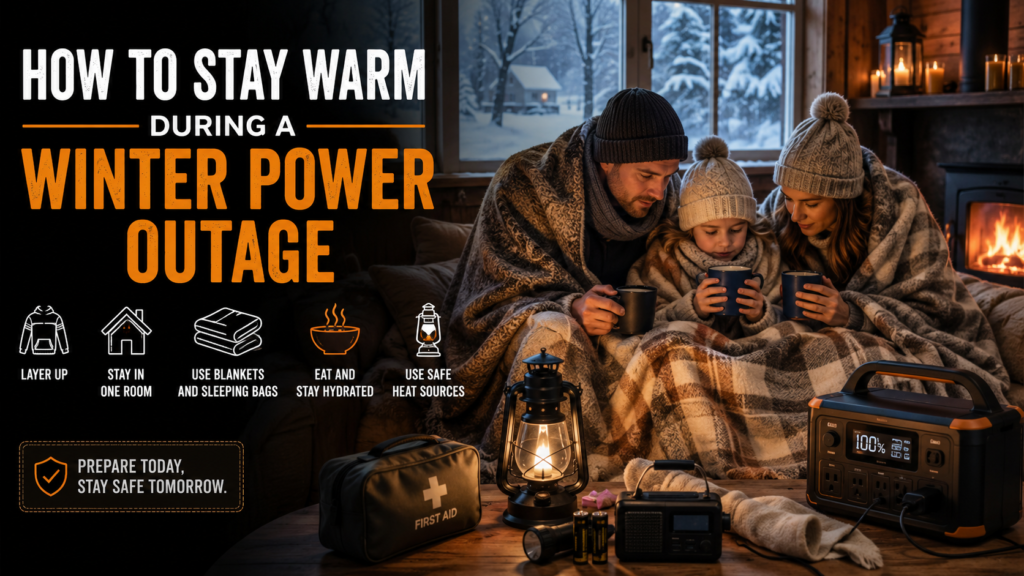
Winter storms can knock out electricity for hours—or even days. Without heating, your home can quickly become uncomfortable and, in some cases, dangerous. Knowing how to stay warm during a