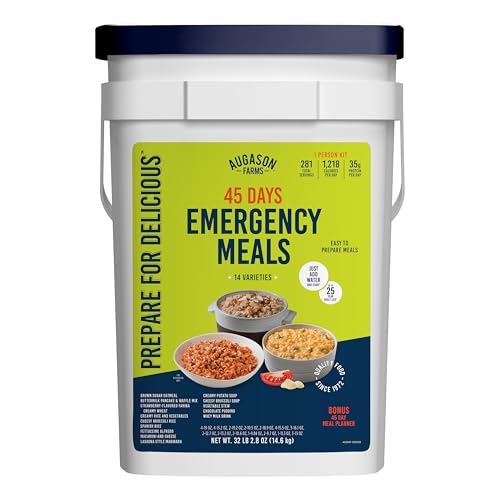
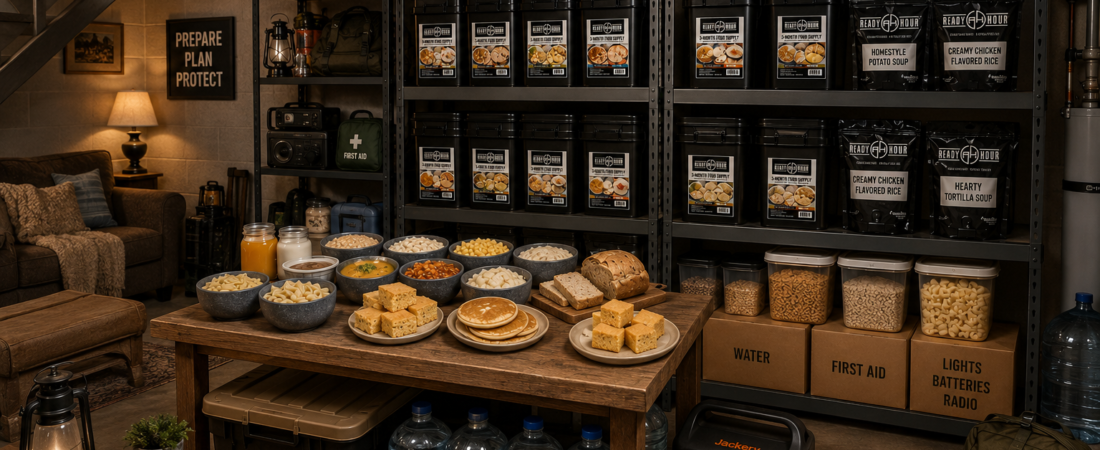
Natural disasters, economic uncertainty, power outages, and even the possibility of future pandemics have encouraged many people to rethink the importance of being prepared for unexpected situations. In the United States, emergency food supplies have been around for decades, but they recently gained massive attention on social media, where they’re often referred to as “doomsday food.”
Despite the dramatic name, the idea behind these products is simple: keeping a food reserve that can support you and your family during periods of isolation or when access to grocery stores becomes limited.
What Is Emergency Food?
Emergency food consists of specially designed products that can remain safely stored for many years. Some products claim a shelf life of up to 30 years when stored under proper conditions.
Most of these foods are dehydrated or freeze-dried, processes that remove nearly all moisture from the food. This significantly reduces spoilage and allows for extremely long-term storage.
These kits are typically sold in durable containers, often sealed buckets, and may include:
- Breakfast, lunch, and dinner meals;
- Soups and pasta dishes;
- Rice and beans;
- Freeze-dried fruits and vegetables;
- Powdered drinks;
- Desserts and snacks;
- Vegetarian and gluten-free options.
How Do These Meals Work?
One of the biggest advantages of emergency food is convenience. In most cases, you simply add water to prepare the meal.
Some products can even be eaten with cold water, which makes them particularly useful during emergencies when electricity and cooking equipment may not be available.
Because they are lightweight and compact, these food kits are also popular among:
- Campers;
- Backpackers and hikers;
- Outdoor enthusiasts;
- People living in areas prone to hurricanes, floods, or earthquakes;
- Families looking to maintain an emergency food supply.
Why Are More People Stocking Up on Food?
The concept of emergency preparedness, often known as “prepping,” has grown considerably in recent years. The pandemic showed that unexpected events can lead to shortages, higher prices, and supply chain disruptions.
As a result, many families have started building small reserves of essential items—not because they expect the end of the world, but because they want greater peace of mind and security during difficult times.
A food reserve can also be valuable in situations such as:
Natural Disasters
Storms, floods, and extended power outages can interrupt access to food and supplies for several days.
Financial Hardship
An emergency pantry can help families get through periods of unemployment or reduced income.
Supply Chain Disruptions
Strikes, transportation issues, or global events can temporarily affect the availability of certain products.
Is Emergency Food Healthy?
Although emergency meals are incredibly practical, they should not replace a balanced diet in everyday life.
During processing and long-term storage, some nutrients—particularly certain vitamins—may be reduced over time.
Additionally, some products may contain:
- Higher levels of sodium;
- Lower amounts of fiber;
- Preservatives and additives;
- Increased sugar content in certain meals.
For this reason, experts generally recommend using these foods primarily for emergency preparedness rather than as permanent substitutes for fresh, whole foods.
Can You Build an Emergency Food Supply in the United States?
Absolutely. While specialized long-term food storage kits are widely available online and in outdoor stores across the United States, it’s also possible to create your own emergency pantry using everyday grocery items.
Some of the most commonly stored foods include:
- Rice;
- Beans;
- Pasta;
- Powdered milk;
- Sugar;
- Salt;
- Canned foods;
- Bottled water;
- Granola or energy bars;
- Dehydrated foods.
The most important step is storing these items in a cool, dry place away from moisture, excessive heat, and direct sunlight.
Is Building an Emergency Food Supply Worth It?
Keeping a small emergency food reserve doesn’t mean you’re preparing for a global catastrophe. In reality, it’s simply a practical form of planning and preparedness.
Even a modest supply capable of feeding your family for several days or weeks can provide tremendous peace of mind during unexpected situations. The key is to store foods with a long shelf life, rotate your supplies regularly, and complement your pantry with essentials such as drinking water, medications, and a first-aid kit.
Being prepared isn’t about fear or pessimism. It’s about taking smart steps today so you can face tomorrow’s uncertainties with greater confidence, comfort, and peace of mind.
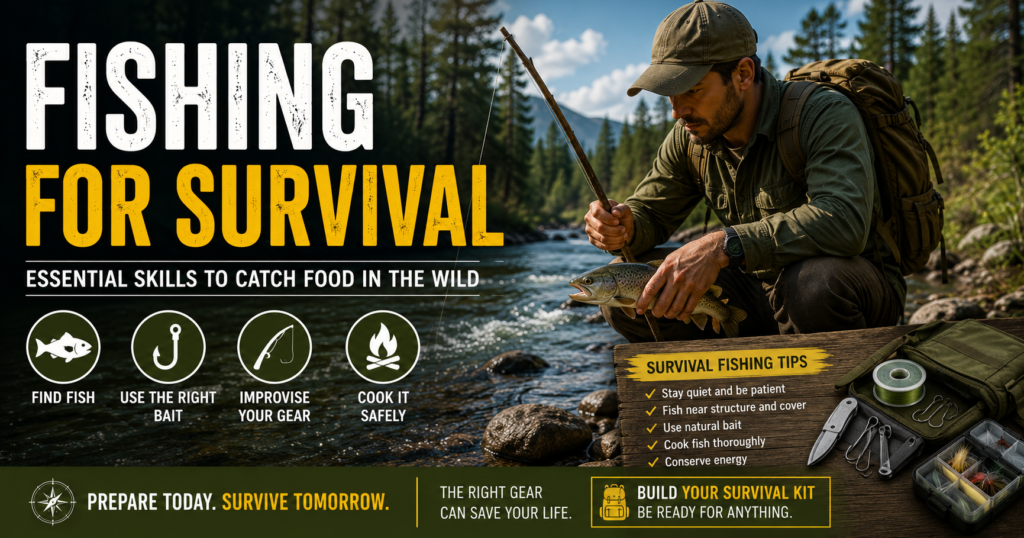
In a survival situation, fishing is one of the most effective ways to secure a steady food source. Compared to hunting, fishing usually requires less effort while providing high-quality protein
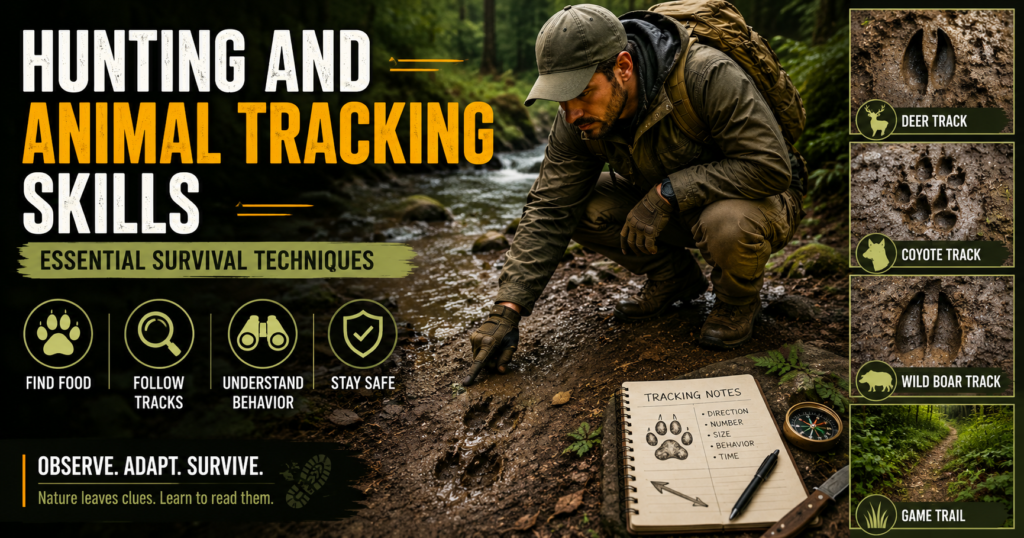
In a survival situation, knowing how to identify tracks and understand animal behavior can make all the difference. Hunting and animal tracking skills not only help you find food but
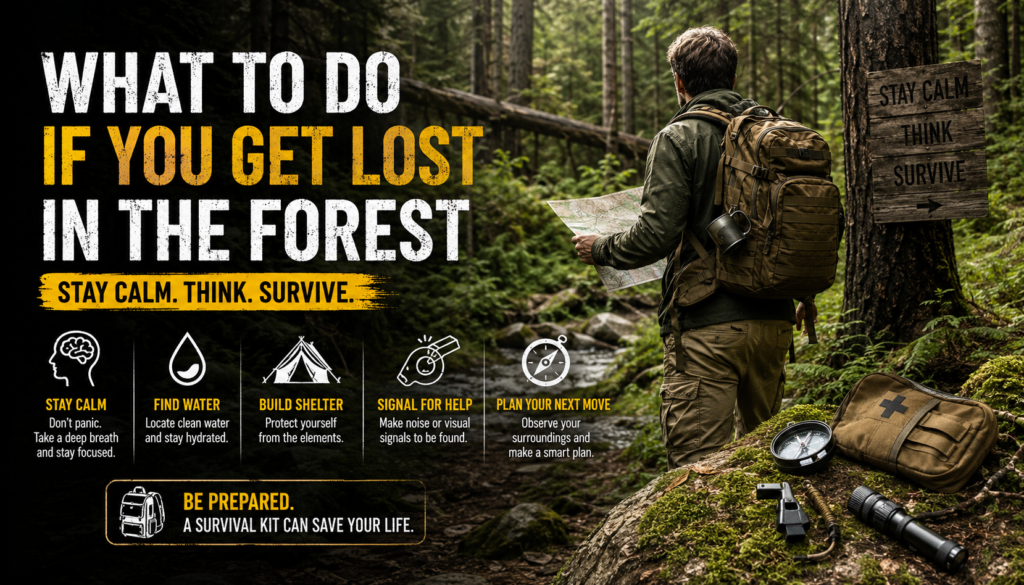
What to Do If You Get Lost in the Forest Getting lost in the forest can happen to anyone, from first-time hikers to experienced outdoor enthusiasts. The most important thing
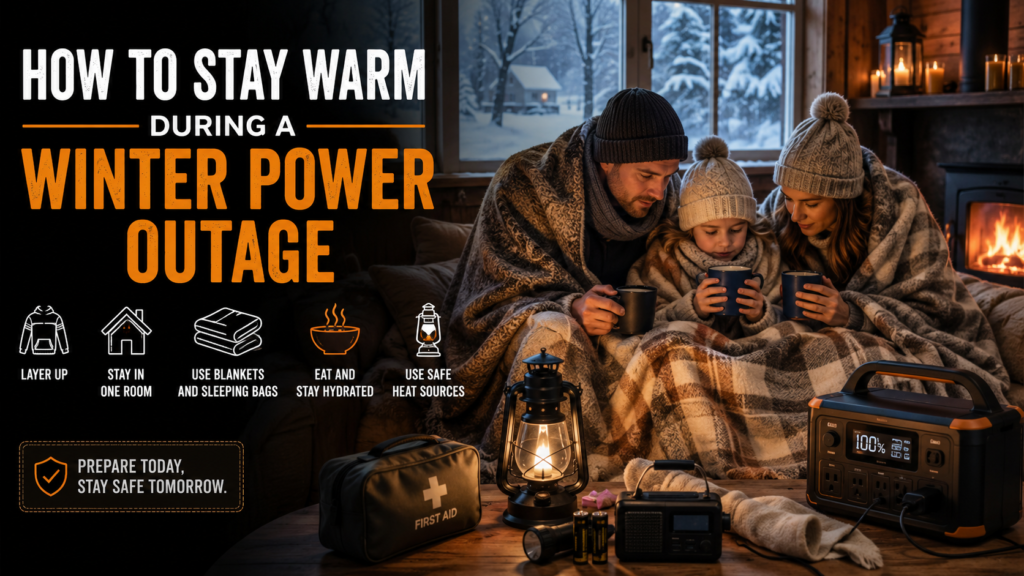
Winter storms can knock out electricity for hours—or even days. Without heating, your home can quickly become uncomfortable and, in some cases, dangerous. Knowing how to stay warm during a