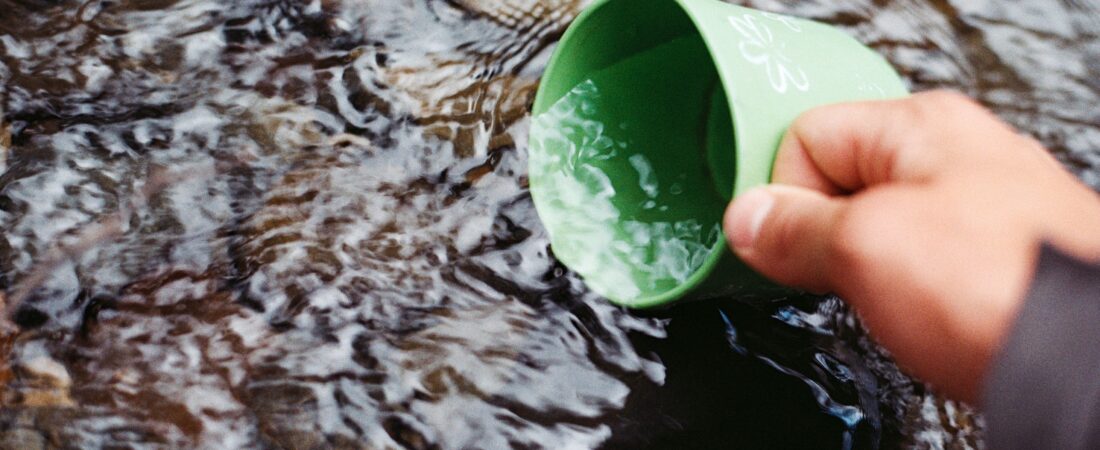
In a survival situation, water is one of your highest priorities. However, finding a water source does not necessarily mean it is safe to drink. Rivers, lakes, and puddles can contain sediment, bacteria, parasites, and other contaminants that may be harmful to your health.
An improvised water purifier can help remove particles and improve the appearance of the water, making it look cleaner. However, it is important to understand that this filtration process alone does not make the water safe for consumption. After filtering, the water must still be boiled or treated with a purification tablet before drinking.
Materials Needed
Cotton
Crushed charcoal
Sand
Small stones
Medium stones
Large stones
An empty plastic bottle
How to Assemble the Purifier
First, cut off the bottom of the plastic bottle and turn it upside down, using the bottle cap end as the outlet for the filtered water.
Step 1: Add the Cotton
Place a layer of cotton near the bottle’s outlet. It will act as the first barrier, helping retain smaller particles.
Step 2: Add the Charcoal
Add a layer of crushed charcoal on top of the cotton. Charcoal helps reduce odors and contributes to trapping some impurities found in the water.
Step 3: Add the Sand
Place a layer of sand over the charcoal. Sand helps retain fine sediment and small suspended particles.
Step 4: Add the Small Stones
Create a layer of small stones to assist with filtration and help distribute the water through the lower layers.
Step 5: Add the Medium Stones
Next, add a layer of medium stones, creating another barrier for larger particles.
Step 6: Finish with the Large Stones
At the top, place the large stones. They help distribute the water evenly and prevent the lower layers from being disturbed during filtration.
How to Use It
Slowly pour the water over the large stones and allow it to pass through all the layers until it exits from the bottom of the bottle. If the water is extremely cloudy, repeat the filtration process more than once.
Important: The Water Is Still Not Safe to Drink
Even after passing through the improvised purifier, the water may still contain dangerous microorganisms, including bacteria, viruses, and parasites. The filter helps remove dirt and visible particles, but it does not eliminate all disease-causing organisms.
To make the water safer for consumption, you must perform an additional purification step:
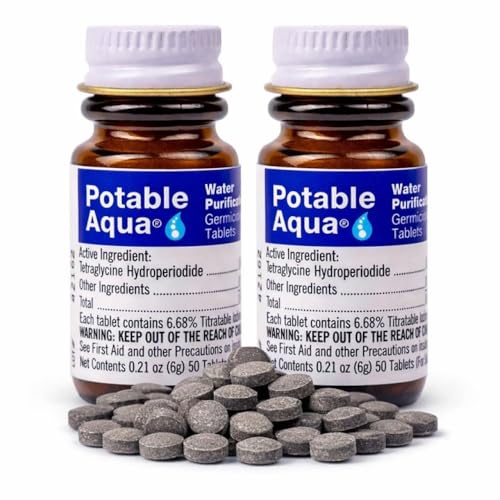
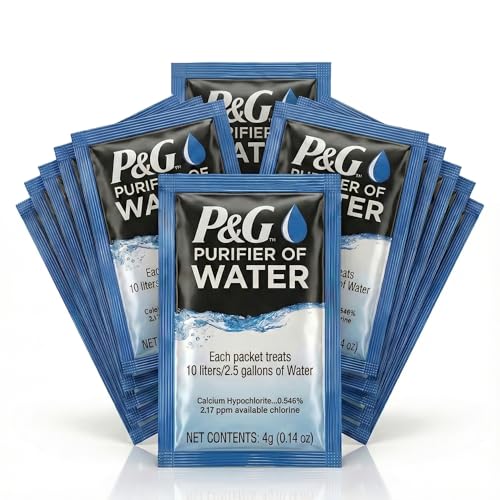
Boil the water for several minutes or use a water purification tablet, following the manufacturer’s instructions.
In a survival situation, an improvised water purifier is an extremely useful tool for improving the visual quality of water. However, always remember: filtering is not the same as purifying. The disinfection step is essential to reduce health risks and increase your chances of survival.
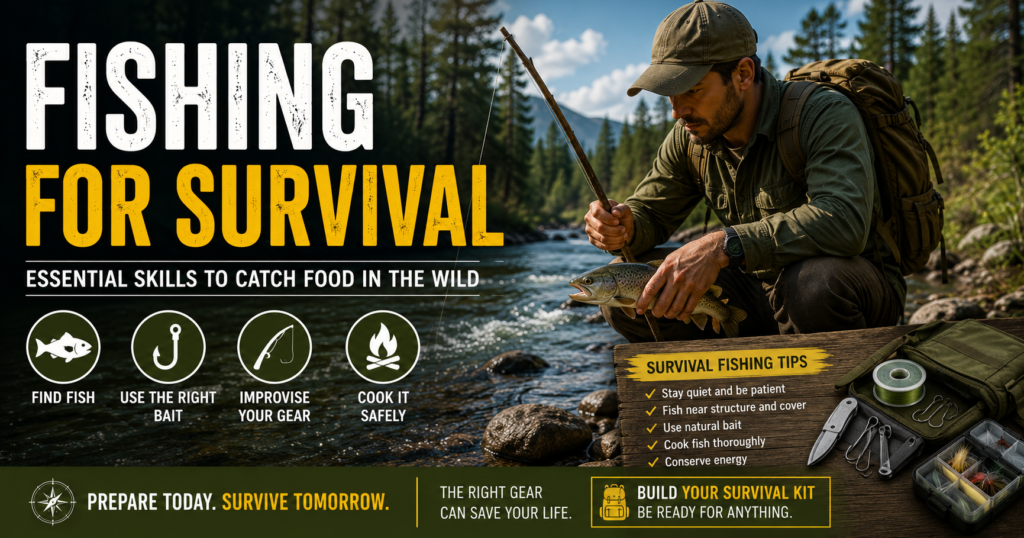
In a survival situation, fishing is one of the most effective ways to secure a steady food source. Compared to hunting, fishing usually requires less effort while providing high-quality protein
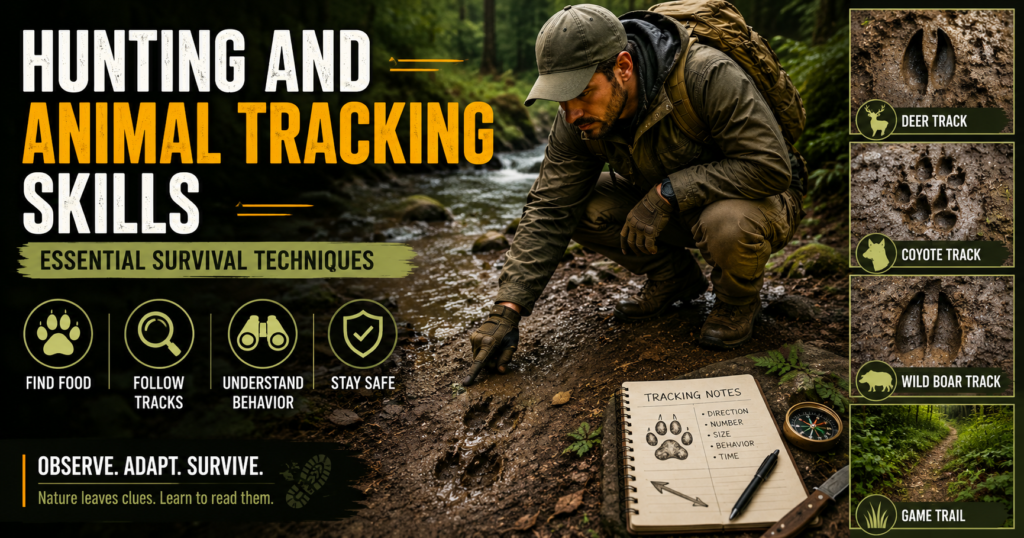
In a survival situation, knowing how to identify tracks and understand animal behavior can make all the difference. Hunting and animal tracking skills not only help you find food but
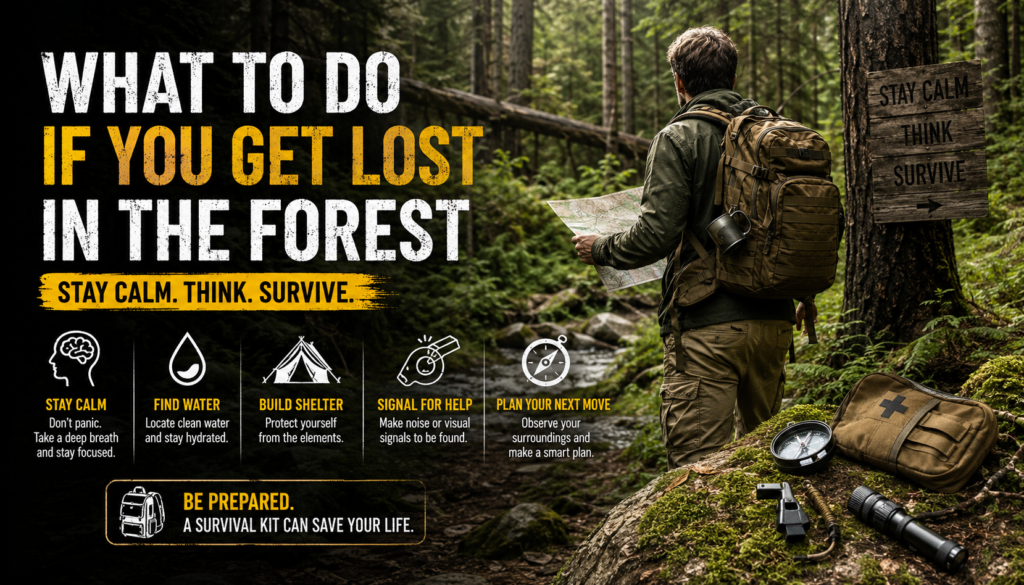
What to Do If You Get Lost in the Forest Getting lost in the forest can happen to anyone, from first-time hikers to experienced outdoor enthusiasts. The most important thing